

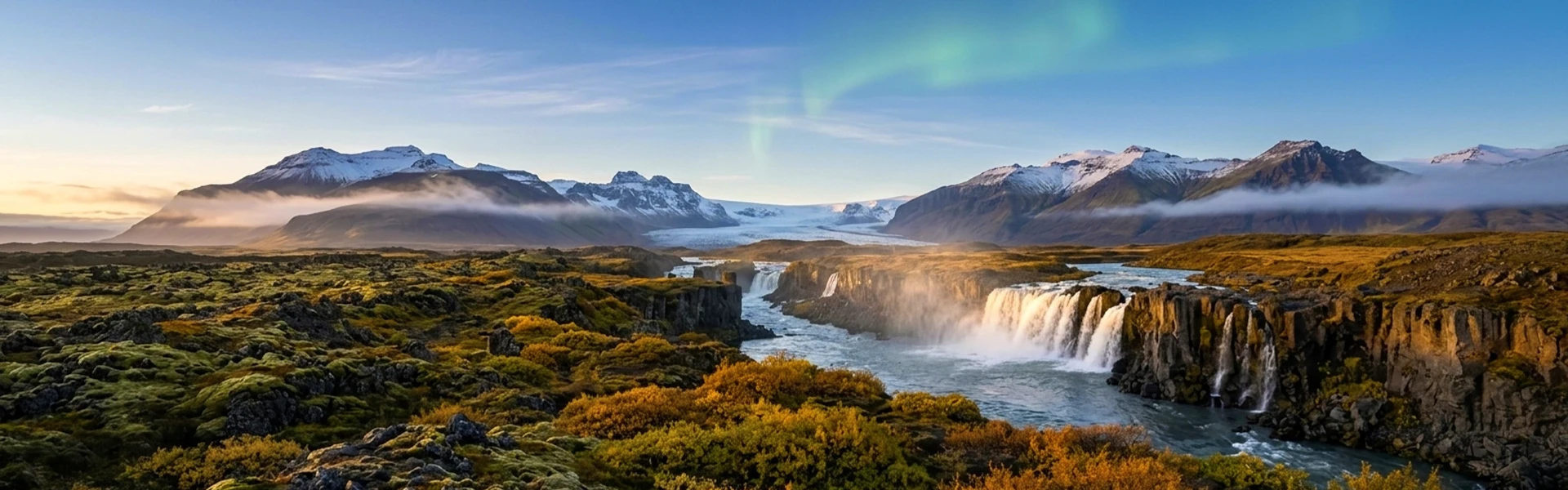
When is the Best Time to Visit Iceland? A Month-by-Month Guide
Iceland is one of those destinations where timing completely changes your experience. The same country can feel like a frozen Arctic dream in January, then transform into a glowing green landscape under the midnight sun in July.
If you're trying to figure out the best time to visit Iceland, you're really asking a bigger question: What kind of Iceland do you want to experience? Northern Lights or midnight sun? Budget travel or peak adventure season? Quiet roads or full accessibility?
This guide breaks down everything you need to know from weather patterns and daylight hours to seasonal pricing and travel experiences, so you can confidently choose the right month for your Iceland trip.
Choosing Your Iceland Experience: Summer vs. Winter
Iceland’s climate is shaped by the Subarctic climate and moderated by the Atlantic Gulf Stream, meaning it’s colder than the UK but not as extreme as people expect. Still, conditions vary dramatically between seasons.
Quick Comparison
Factor Summer (June-August) Winter (Nov-Feb)
Daylight Midnight sun (20-24 hrs) Polar nights (4-6 hrs daylight)
Temperature 10°C–15°C -1°C to 4°C
Main Highlight Road trips, hiking, F-roads Northern Lights, ice caves
Road Access Full (including Highlands) Limited (some closures)
Summer peak season (June to August): Best for road trips, hiking, and full accessibility.
Winter season (November to February): Best for Northern Lights and ice cave tours.
Shoulder seasons (May and September): Balanced conditions with fewer crowds and lower prices.
The Month by Month Iceland Breakdown
Understanding Iceland weather by month helps you avoid surprises and plan better experiences.
January - Deep Winter Magic
January is peak winter darkness, with only a few hours of daylight. Expect snow-covered landscapes, icy roads, and strong chances of seeing the Northern Lights. Storms can be frequent, but so is the raw beauty of Iceland’s frozen landscapes.
February – Cold but Photogenic
Still winter season, February offers slightly more daylight. Ice cave tours are at their best, especially in Vatnajökull Glacier areas. It’s one of the most atmospheric months for photography.
March – Transition Month (Hidden Gem)
March is one of the cheapest months to visit Iceland. Winter is fading, but snow still covers much of the country. This is a sweet spot for budget travelers who still want winter experiences and aurora activity.
April – Fewer Crowds, Changing Conditions
April brings unpredictable weather. Roads begin to reopen slowly, and daylight increases significantly. However, some winter activities start closing.
May – Start of Shoulder Season
May marks the beginning of the shoulder season in Iceland. Prices are lower, roads open up, and greenery starts returning. This is a great time for fewer crowds and decent weather.
June – Midnight Sun Begins
June kicks off the Summer peak season (June to August). The famous midnight sun means nearly 24 hours of daylight. Perfect for road trips around the Ring Road and access to the Highlands.
July – Peak Travel Month
July is the busiest and warmest month. Expect fully accessible F-roads open in Iceland, making Highland exploration possible. However, this is also the most expensive time for flights and hotels.
August – Summer Adventure Continues
August still offers great weather but slightly fewer crowds than July. It’s ideal for hiking, camping, and exploring geothermal areas. Volcanic activity alerts in regions like the Reykjanes Peninsula can sometimes influence itineraries.
September – Shoulder Season Sweet Spot
September is one of the best overall months. You still get good road conditions, fewer tourists, and the return of Northern Lights visibility. It’s a strong contender for the best time for Northern Lights Iceland.
October – Autumn Drama Begins
October brings dramatic landscapes, colorful skies, and rising chances of aurora sightings. Weather becomes more unpredictable, but crowds are low.
November – Winter Returns
November marks the beginning of full winter season. Days shorten rapidly, and snow returns. It’s a good month for aurora hunting, especially with fewer tourists.
December – Festive Winter Wonderland
December is peak winter magic. Reykjavík lights up for Christmas, and Northern Lights activity is strong. However, expect limited daylight and higher prices due to holiday demand.
The Best Time for Budget-Conscious UK Travellers
If you're travelling from the UK, timing your trip can make a huge difference in cost. Flight prices from Gatwick, Manchester, Luton, and Edinburgh vary heavily depending on demand and season.
Here’s how to save money:
Cheapest month to visit Iceland: March and early November
Best value travel window: May and September (shoulder seasons)
Avoid if budget is tight: July and December (peak demand)
During off-peak periods, you’ll also benefit from better exchange rates on the Icelandic Króna (ISK), making food, tours, and accommodation more affordable.
Low-cost carriers from UK hubs often release seasonal deals in advance, especially for spring and autumn travel windows.
When is Shoulder Season in Iceland?
The shoulder seasons are:
May
September
These months are considered the “best of both worlds” because:
Prices are lower than peak season
Roads are mostly open
Weather is relatively stable
You can still see Northern Lights (especially September)
For many travelers, this is the best time to visit Iceland overall because it balances cost, accessibility, and experience.
Is it better to go to Iceland in June or December?
It depends on your priorities:
June: Best for road trips, hiking, and endless daylight (midnight sun)
December: Best for Northern Lights, festive atmosphere, and winter scenery
If you want freedom and exploration → choose June.
If you want magic and auroras → choose December.
What is the worst month to go to Iceland?
There’s no “bad” month, but April is often considered the least predictable. It sits between seasons:
Winter activities are ending
Summer accessibility hasn’t fully begun
Weather is highly changeable
However, even April has advantages like lower prices and fewer tourists.
When Do the F-Roads open in Iceland?
The famous Highland F-roads in Iceland typically open:
Late June to early July
They remain open until September (weather dependent)
These routes give access to remote landscapes like Landmannalaugar and the Icelandic Highlands, but require 4x4 vehicles and careful planning.
Iceland’s Climate and Natural Phenomena
A few natural factors influence your travel experience year-round:
The Atlantic Gulf Stream keeps Iceland milder than other Arctic regions
The Subarctic climate causes rapid weather changes
The midnight sun creates 24-hour daylight in summer
Polar nights limit daylight in winter months
Occasional volcanic activity alerts (Reykjanes Peninsula) can affect travel routes
These elements are what make Iceland unpredictable, but also unforgettable.
Secure your preferred travel dates
Whether you're chasing the Northern Lights, exploring glaciers, or driving the Ring Road under the midnight sun, timing your trip is everything.
Peak seasons sell out quickly, especially summer and December holidays. Shoulder seasons offer the best balance of price and experience, but even those fill up fast.
Don’t wait until prices rise or availability drops.
👉 Plan your Iceland adventure today with TravelMe360:
Book your Iceland deals and secure exclusive packages here.
Planning ahead ensures you get the best flights, hotel availability, and tour combinations, without paying peak-season premiums.